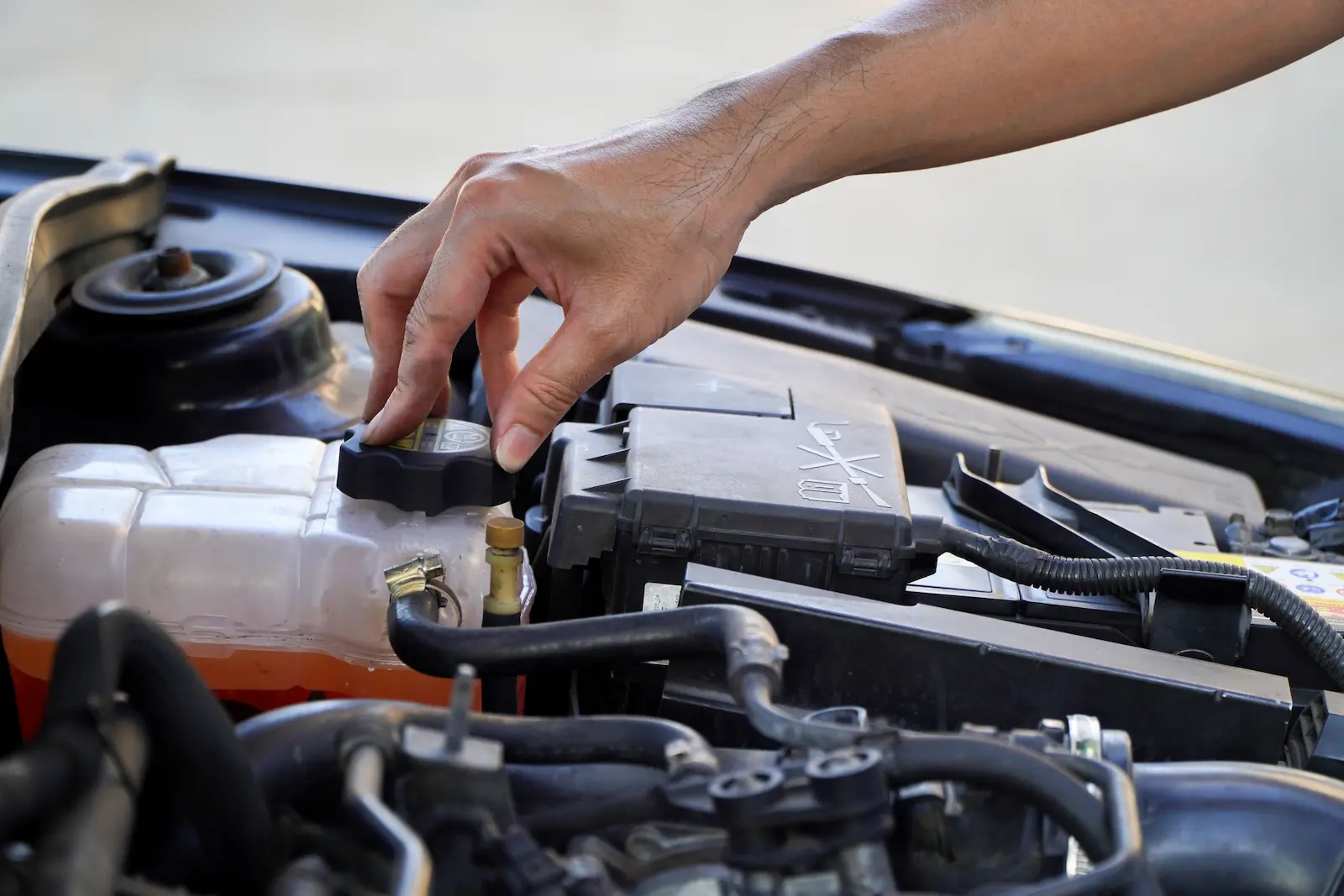
Antifreeze, or coolant, is a crucial element needed to keep your car running properly. Coolant circulates through your car’s system to prevent overheating during use,and it will also prevent freezing during cold temperatures.
Coolant should be replaced according to the manufacturer’s schedule, which can range from around 30,000 miles to over 100,000 miles, depending on the type used. This is to make sure that the coolant is as effective as it should be and prevent debris build-up. You can’t just pour it down the drain,though,because of the chemicals that make it so effective.
So, how should you dispose of it? In this blog, we’ll detail how you should dispose of it, when to dispose of it, and what happens to your old antifreeze.
Why it’s so important to dispose of coolant/antifreeze properly
Antifreeze, because of the ingredients within it, cannot be simply poured down the sink and requires proper disposal. Here’s exactly why you need to make sure that you get rid of your old coolant the right way.
Health & safety purposes
Improper disposal can lead to accidental ingestion, which is highly toxic to animals. This can be detrimental to health and even fatal if enough is ingested.
Environmental purposes
As well as being potentially hazardous to your own safety, it can be lethal to animals or plants in the environment. You should take care to ensure that no antifreeze pollutes the natural world.
Legal requirements
In the UK, the Environmental Protection Act dictates that potentially hazardous liquids, such as antifreeze, must be disposed of properly. Failure to dispose of hazardous waste properly can lead to significant fines or prosecution under environmental legislation.

When to flush, change and dispose of old coolant
We’ve discussed why it’s so important to dispose of antifreeze properly, but do you know when you’re supposed to dispose of it? Knowing when to get rid of it can save you money by keeping your components in great condition, but also ensuring that you’re not throwing away perfectly good antifreeze. Let’s decipher when you should change your coolant.
If your coolant is discoloured
New antifreeze will usually be brightly coloured. Over time, it can darken or lose its colour. In this case, it’s time to replace.
If your coolant has an unusual consistency
Coolant should be free-flowing; if it appears thick, sludgy, or contaminated, it should be replaced.
If your coolant has a strange smell
A strong or unusual odour, especially if accompanied by discolouration or contamination, may indicate the coolant needs replacing.
If your coolant isn’t doing its job
You may notice that your car’s temperature gauge is higher than usual, which suggests that the coolant isn’t working to cool your components properly. If you notice this, you should change your coolant as soon as possible.

What happens if you use old coolant?
Coolant doesn’t have a strict use-before date, but you should aim to use your antifreeze within five years of purchase. After five years, the coolant begins to lose some of its heat-dissipating qualities, making it significantly less effective.
Using degraded coolant can reduce cooling efficiency and increase the risk of overheating or corrosion.
How to properly dispose of coolant
Proper disposal of coolant is crucial before you can replenish your coolant levels. Let’s explore how you can properly get rid of antifreeze.
Prepare your coolant for disposal
Once you’ve flushed and collected your coolant in a clean, sealed container, you’re ready to dispose of it properly.
Find your nearest hazardous waste disposal service
Antifreeze requires specialist care to dispose of. You can locate your nearest authorised disposal centre via your local council’s website. You can find your nearest centre here.
Find a recycling centre that accepts antifreeze/coolant
Some recycling centres also accept antifreeze. Before you take the antifreeze down to the centre, double-check that they accept it by calling ahead of time.

If you’re disposing of coolant as a business, book a waste antifreeze collection service
If you run a business that deals with coolant or antifreeze, such as a car repair shop or a vehicle fleet management company, you have a greater responsibility to dispose of these hazardous materials properly.
Businesses will generate larger volumes of used coolant, which means that dropping off antifreeze at a local recycling centre may not be practical or comply with regulations. In these cases, booking a professional waste collection service is essential.
Can you recycle coolant?
Yes, coolant can be recycled, but this process should be carried out by professionals to ensure it is done correctly and safely. Recycling coolant involves filtering out contaminants and restoring the chemical balance so that it can be reused. Professional recycling services, like those provided by companies such as Slicker Recycling, handle this process efficiently.
Professional recycling services ensure that the coolant is cleaned and treated to meet industry standards. This not only helps in reducing the environmental impact but also can save money by reducing the need to purchase new antifreeze frequently.
What not to do when disposing of coolant
When it comes to disposing of coolant, there are several actions you must avoid to ensure safety and compliance with the law:
- Do not pour coolant down the drain.
- Do not pour coolant away outside, for example, on the street or in the garden.
- Do not dispose of coolant in household waste or general rubbish bins.
Proper disposal of coolant is vital for both environmental and legal reasons. Whether you’re an individual car owner or a business handling larger volumes of antifreeze, following the correct disposal procedures is crucial.
Remember, improper disposal can have serious health, environmental, and legal consequences. You should always opt for the safe, responsible approach to disposing of coolant.
For more helpful tips and advice, check out our help articles, or browse our range of coolant/antifreeze products right here.