Coolant/antifreeze is an essential fluid for your vehicle, regulating the temperature of the engine to protect it. It circulates through the engine and radiator to keep everything from overheating, so it’s important to ensure that you’ve got the optimum level in the reservoir and that it’s working effectively. In this blog, we’ll explain more about why and how to test coolant, and some top tips for storing it properly too.
Why do I need to check my car’s coolant?
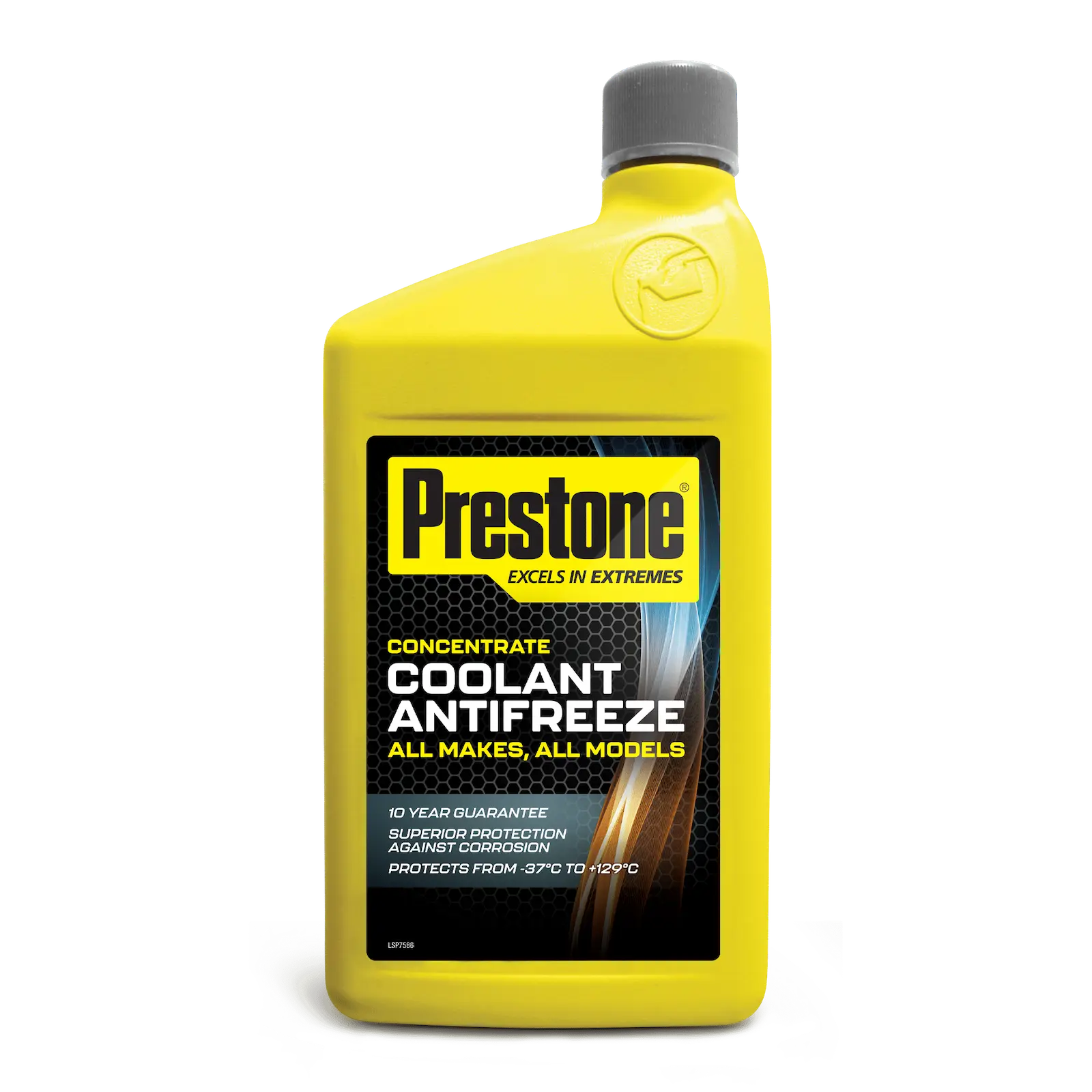
Coolant/antifreeze can often go unchecked for long periods. While a mechanic will look at the level as part of an annual service, it’s not changed regularly like oil. This isn’t a bad thing as such, because if your car is topped up with premium coolant/antifreeze like Prestone, protection is guaranteed for a minimum of 10 years, which can save you a lot of time and money in the long term.
But if you aren’t sure when the coolant/antifreeze was last changed in your car, or you’ve recently bought a used car, it’s important to test it to make sure the engine is protected.
When coolant/antifreeze is past its best, it no longer offers the same protection against extreme temperatures and corrosion. So if you don’t replace it, your engine is at risk from freezing and wear and tear, which could lead to costly repairs due to the damage.
How to test your car’s coolant/antifreeze
The first thing to remember is to wait for your car to cool down before checking anything, especially if you’ve recently driven it.
Before you test the coolant/antifreeze, it’s worth giving it a visual check, as this can tell you a lot about its condition and whether there’s a problem. You can also check the coolant level on the side of the reservoir. Ideally you want the coolant sat on the ‘max’ fill line, so if it’s not, top it up and check daily to see if the level has changed. If the level drops, the system may have a leak – in which case it’s time to call the garage.
Is the level OK? Then you’ll want to look at the coolant itself. What colour is it? Does it look dirty or discoloured? Can you see bits floating in it?
It’s not that easy to check the condition of the coolant/antifreeze through the reservoir tank. So to have a proper look, you’ll need a coolant/antifreeze tester.
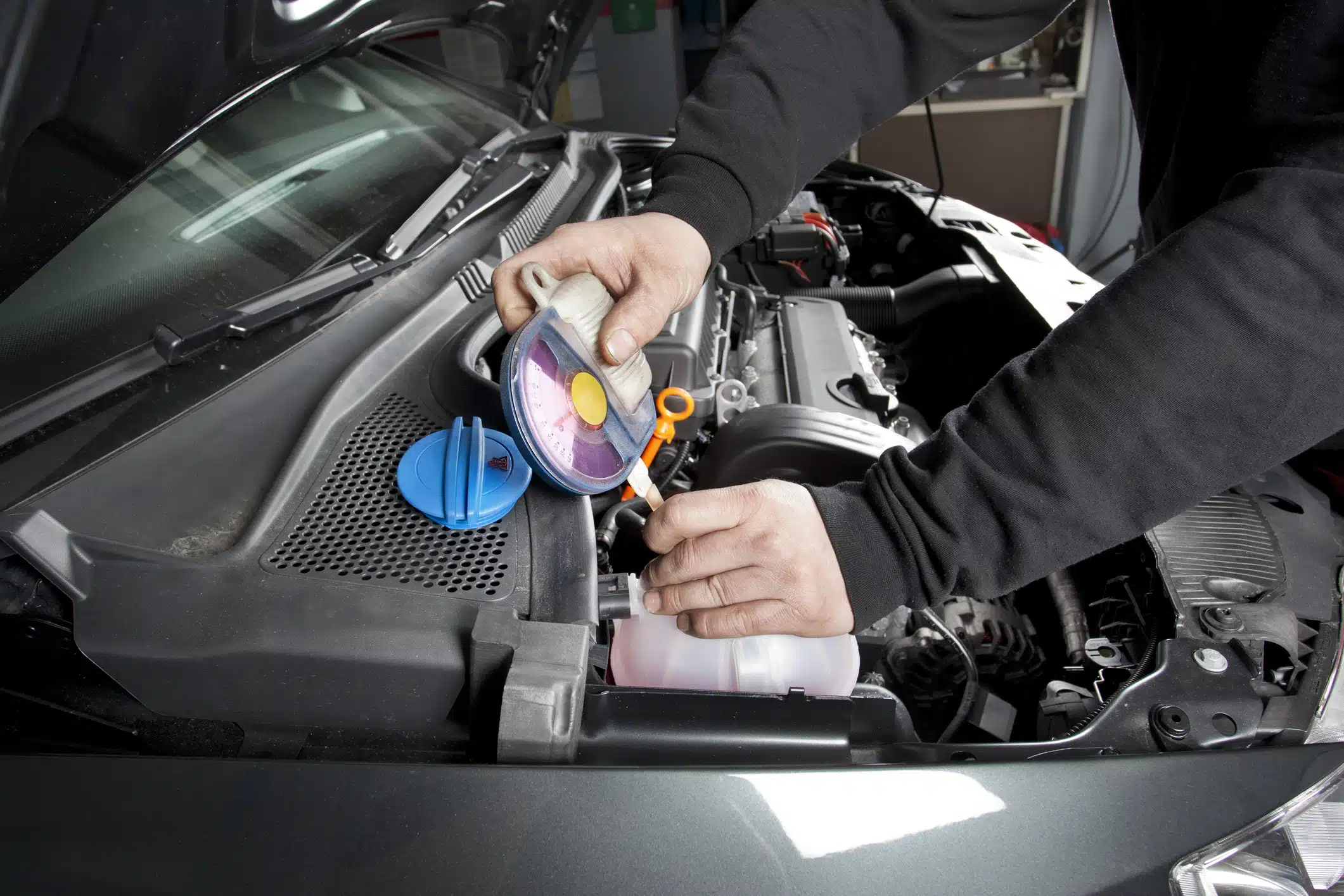
A coolant/antifreeze tester is essentially a pipette attached to a small container. You can use it to get a sample of coolant from the reservoir. Once you’ve extracted some coolant, the tester’s in-built gauge will show you the level of freeze protection the fluid is offering. And because the container is see-through, it’ll be easier to look at the condition of the coolant.
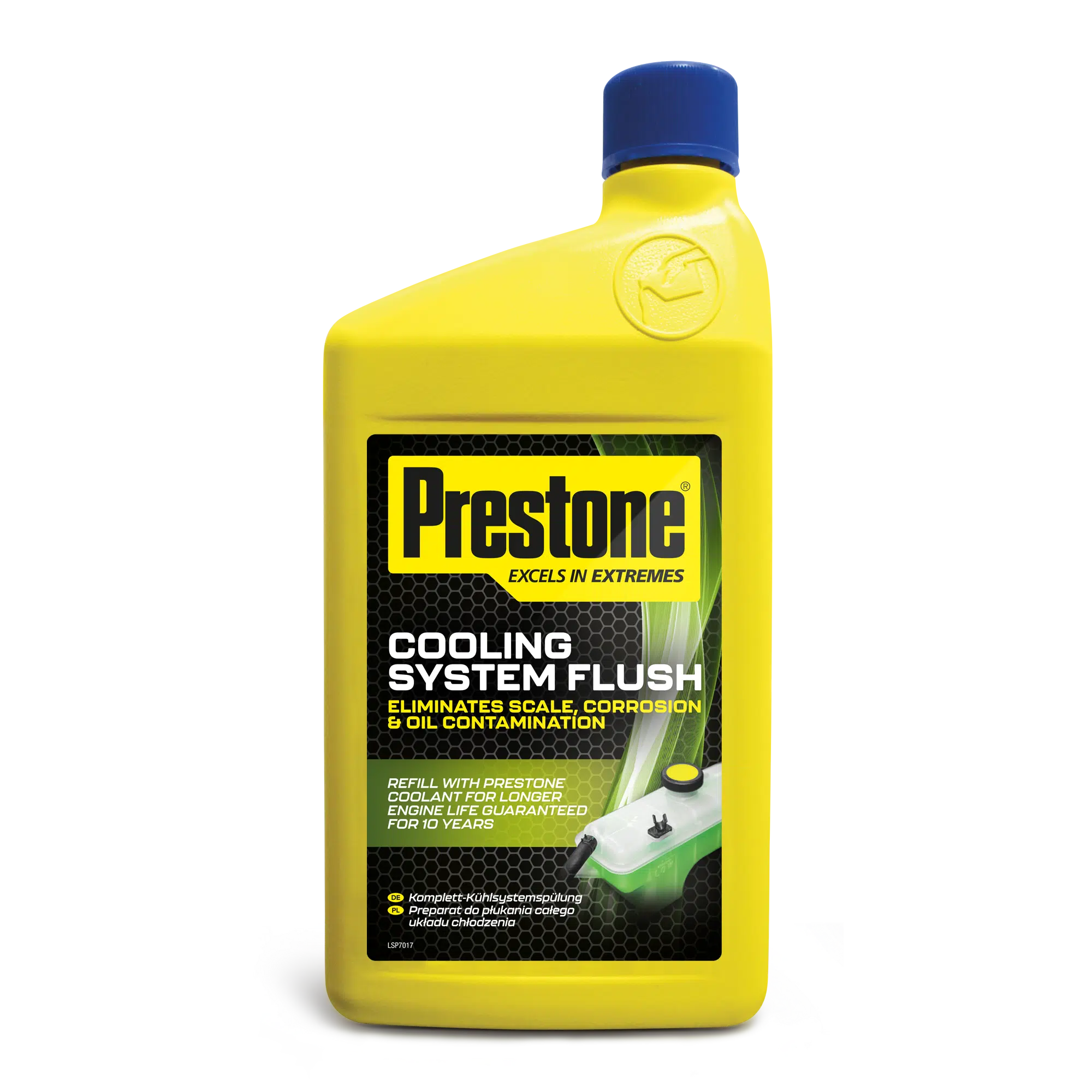
If it looks cloudy, dirty or full of particles, or if the freeze protection is down on the gauge, we’d recommend flushing the system and refilling with coolant/antifreeze.

Pressure testing your coolant system
If you suspect that your car’s cooling system has sprung a leak, finding the source of the problem can be tricky and frustrating. Why? Often, leaks don’t occur until the engine is running and the system is up to pressure, at which point it becomes more difficult, even dangerous, to figure out where the leak is happening.
So, what’s the solution? Pressure testing. This is when you pressurise the cooling system without the need to turn on the engine, mimicking the conditions in which a leak is likely to occur – without the risk of scalding yourself with boiling hot coolant/antifreeze or steam.
This procedure is carried out with a pressure tester, an inexpensive, portable device that’s designed to attach to the fill cap of standard cooling system expansion vessels. The device pumps air into the cooling system to pressurise it; after that, it’s up to you to monitor the pressure and check for any leaks that might be occurring at different points around the engine.
How to pressure test the coolant system
Got yourself a pressure tester? Here’s how to use it to check for leaks on your car’s cooling system.
- Make sure the engine is completely cool before you start.
- Remove the cap from the cooling system expansion vessel and set it aside somewhere safe.
- Attach the nozzle of the pressure tester to the neck of the expansion bottle, referring to the instructions that came with your device to ensure a tight fit.
- Switch on the device and select the required PSI. The expansion bottle cap should state the safe operating pressure of your car’s cooling system.
- Use the device to pressurise the system and allow it to run for around 3-5 minutes.
- Using a good bright torch, begin assessing the engine for any signs of leaks. You’re looking for drips, bubbling, or the sound of escaping air. Spot any of these, and you’ve found your leak.
- No visible sign of leakage? Check the device to see if the pressure has dropped. If it has, this indicates an internal leak in one of the components, which will also require fixing to remedy the problem.
- And that’s it – pressure testing complete. Switch off the device and initiate any decompression steps before safely removing it from the expansion vessel. Be sure to read the enclosed instructions carefully before removing it from your car.
Handling and storing coolant/antifreeze
All engine fluids should be stored and handled safely to avoid coming into contact with children, animals and the environment. Many coolant/antifreeze formulas contain ethylene glycol, which replaced methanol in modern antifreeze products due to performance. Ethylene glycol has a much higher boiling point than methanol. However, ethylene glycol is poisonous to humans and animals, and is easily ingested due to its sweet smell and taste.
At Prestone, we add a bitter taste to our coolant/antifreeze formula. Known as Bitrex, this additive gives a really bitter taste and makes it less sweet, to discourage children and animals from consuming it without affecting the performance of the product.
Despite this, it’s still of paramount importance that fluids like these are kept well out of reach of children and animals.
Top tips for storing and handling coolant/antifreeze
- Keep the product in its original packaging – While it may be necessary to decant coolant/antifreeze into a jug for easy pouring into the reservoir, you should keep the fluid in its original packaging the rest of the time so everyone knows what it is. Remember – a high-quality coolant such as Prestone is supplied in an easy-pour bottle, for complete safety and ease of use.
- Retain the product’s safety information – In cases where a child or animal has ingested coolant/antifreeze, make sure you have the original product safety information to hand, including the list of ingredients. This will help medical staff and vets make an accurate diagnosis, and suggest the correct treatment.
- Store in a hard-to-reach place with the lid on tight – Whether in a garage, shed or cupboard at home, store coolant in a difficult-to-reach area and always make sure the lid is on tight and the child safety lock is working.
- Take extra care when pouring into the reservoir – If the coolant/antifreeze you’re using is in a poorly-designed bottle, use a funnel to prevent any leaks on to the floor, and wipe the bottle after use.
- What if the cooling system is leaking? – If your car has a cooling system leak, you might get a puddle of fluid under the car, and this can be consumed by animals. In this case, swill the coolant away with plenty of fresh water, and remember to wipe any fluid off from beneath the car.
- Label all fluids when in storage – Packaging can deteriorate over time, so always make sure you label vehicle fluids properly so you can easily identify them – you don’t want to start adding screenwash to the cooling system.
- Dispose of packaging and waste fluid responsibly – Due to their toxicity, fluids and their containers should be recycled carefully. Plastic containers should be disposed of in the hazardous waste bin at your local tip, while waste fluids such as coolant and engine oil can often be taken to a local mechanic, who will recycle them for you.
Testing and storing coolant/antifreeze correctly can make a huge difference when it comes to performance and safety. For more advice and help across car maintenance, check out the rest of our blog.