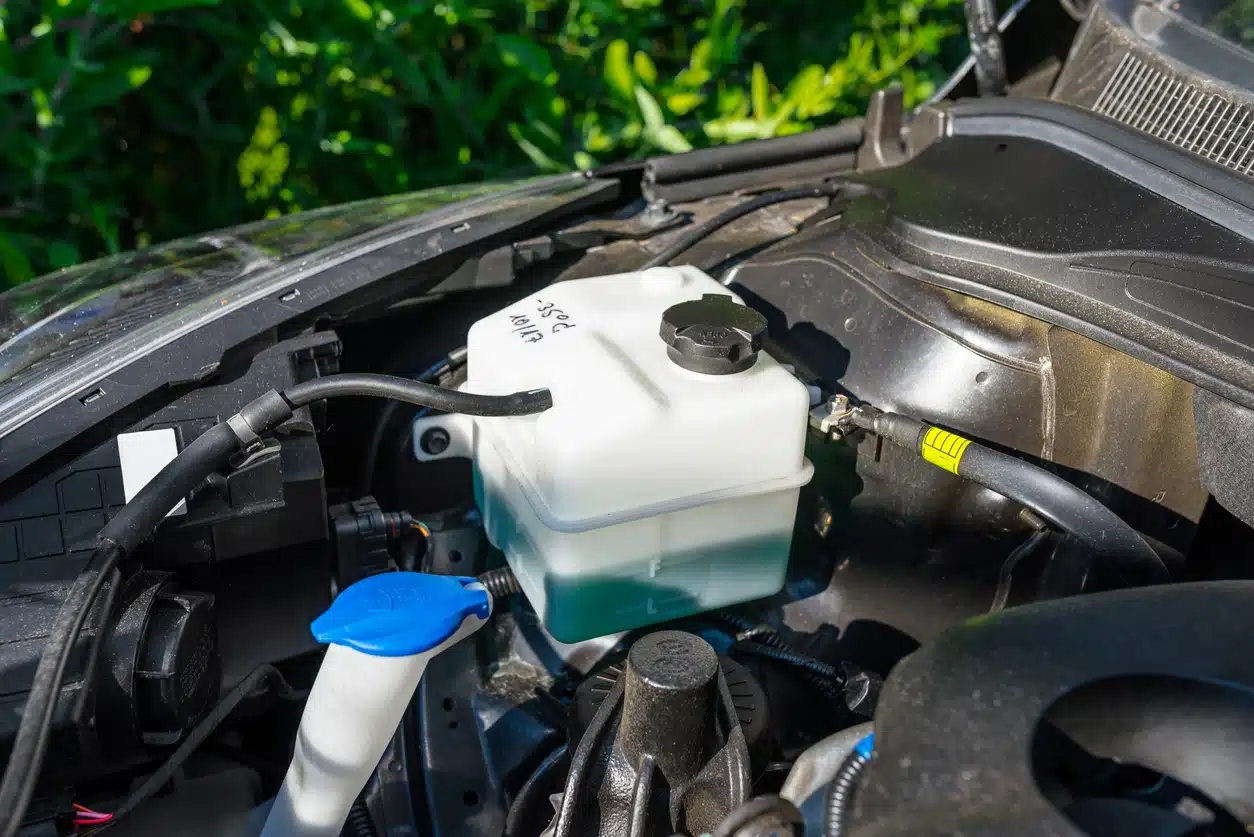
Discovering your car is losing coolant without a visible leak can be one of the most perplexing experiences for car owners. For those unfamiliar with the inner workings of their vehicle, this can be a cause for concern and confusion.
However, fear not, as we delve into the mysteries of evaporating coolant and unseen leaks to provide clarity on this puzzling issue.
Can a car run out of coolant without a leak?
The short answer is yes, a car can lose coolant without any obvious signs of leakage. This phenomenon can be attributed to various factors, each of which warrants careful examination to ensure the health and performance of your vehicle.
How to check for coolant loss
Before delving into the potential causes of coolant loss, it’s crucial to verify whether your vehicle’s coolant levels are genuinely depleting. This can be easily accomplished by performing a routine inspection of the coolant reservoir or radiator when the engine is cool. If the levels are consistently dropping, despite no visible leaks, it’s time to investigate further.
Why your coolant might be low, without a leak
Evaporation
While modern cooling systems are designed to be sealed, small amounts of coolant can occasionally be lost through vapour escaping from a weakened cap or other cooling system faults. If you’re regularly topping up coolant, it’s worth investigating further, as coolant levels should generally remain stable between services.
What to do: Regularly monitor coolant levels and top up as necessary to maintain optimal performance. Additionally, consider using a coolant with a higher boiling point to mitigate evaporation.
Air pockets in the cooling system
Air pockets within the cooling system can disrupt the flow of coolant, leading to uneven distribution and apparent loss. These pockets can occur during coolant refills or due to improper bleeding of the system.
What to do: Bleed the cooling system thoroughly to remove any trapped air pockets. This process typically involves locating and opening bleed valves or utilising a vacuum bleeding tool.
Improper coolant bleeding
Improper bleeding of the cooling system during maintenance or repairs can result in trapped air pockets, as mentioned previously. This can impede the circulation of coolant and lead to apparent loss.
What to do: Ensure that the cooling system is bled correctly after any maintenance or repairs involving coolant drainage. Follow the manufacturer’s recommended procedures to prevent the occurrence of air pockets.

Overflowing coolant system
If the coolant reservoir has been filled above the maximum mark, excess coolant may be expelled as the engine reaches operating temperature. This can cause the level to drop until it returns to the correct operating range. While not technically a leak, this can give the impression of coolant loss.
What to do: Check and adjust coolant levels to prevent overfilling. Refer to the vehicle’s manual for guidance on proper coolant levels and filling procedures.
Internal leak
Internal leaks can occur in components such as the cylinder head, head gasket, engine block, intake manifold gasket or other cooling system components. In these situations, coolant may enter the combustion chamber or mix with engine oil without leaving obvious external evidence.
What to do: Consult a qualified mechanic to diagnose and repair internal leaks promptly. Ignoring such issues can lead to more significant problems down the line.
Blown head gasket
A failed head gasket can allow coolant to enter the combustion chambers where it turns into steam during combustion. This is often accompanied by symptoms such as overheating, unexplained coolant loss, white exhaust smoke, poor running or engine oil contamination.
What to do: Have the vehicle inspected by a professional mechanic to confirm the presence of a blown head gasket and undertake necessary repairs.
Radiator cap deterioration
A worn or faulty radiator cap may be unable to maintain the correct cooling system pressure. This can allow coolant to vent from the system or boil at a lower temperature, resulting in gradual coolant loss.
What to Do: Replace the radiator cap with a new, properly functioning one to prevent coolant loss due to deterioration.
Overheated engine
Coolant loss and overheating often go hand in hand. Low coolant levels can cause overheating, while repeated overheating can place additional stress on cooling system components and contribute to further coolant loss.
What to Do: Take steps to address the root cause of engine overheating, such as checking for malfunctioning cooling fans or a faulty thermostat, and address any issues promptly to prevent further coolant loss.
Losing coolant due to a very small external leak
Not all coolant leaks leave obvious puddles beneath the vehicle. Small leaks from hoses, clamps, radiators, water pumps or heater matrix components may evaporate before reaching the ground, especially when the engine is hot.
What to Do: Look for dried coolant residue, white or pink staining, a sweet smell from the engine bay, or damp areas around cooling system components. A cooling system pressure test can often reveal leaks that are invisible during normal operation.
What issues can coolant loss cause?
The repercussions of coolant loss can extend beyond mere inconvenience, potentially resulting in costly engine damage or even complete failure. From overheating and decreased engine performance to irreparable internal damage, ignoring coolant loss can have dire consequences for your vehicle’s longevity and reliability.
While losing coolant without a visible leak can be a puzzling and concerning issue for vehicle owners, it is not an insurmountable problem.
By understanding the potential causes and taking appropriate preventive measures and corrective actions, you can ensure the continued health and performance of your vehicle’s cooling system. Remember, when in doubt, consult a qualified mechanic for professional diagnosis and repairs.