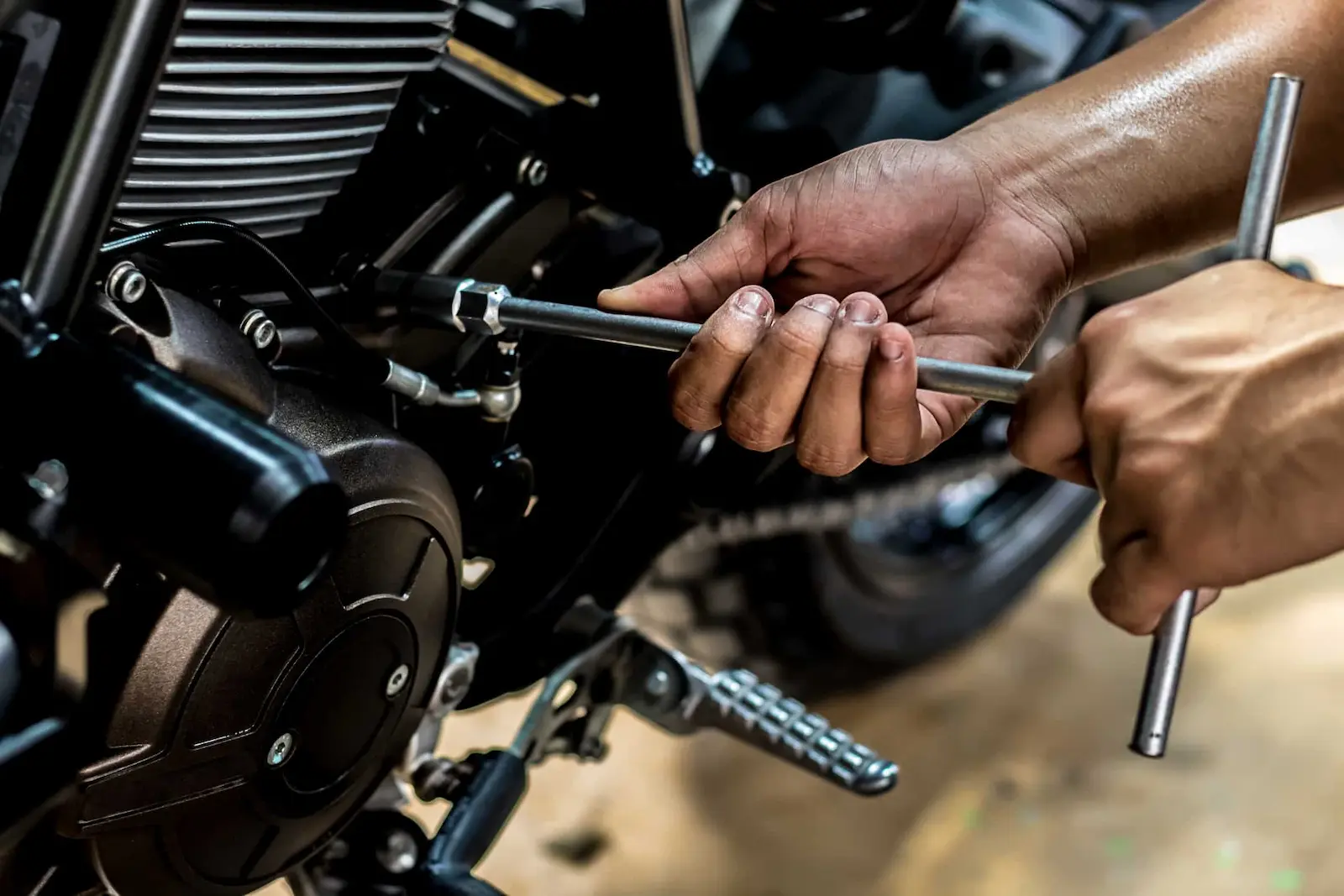
Motorcycles, like any other machine, rely on various fluids to function smoothly and efficiently. Understanding the importance of these fluids and knowing when and how to maintain them is crucial for the longevity and performance of your bike. In this guide, we’ll explore the essential fluids that motorcycles need, their significance, and the best practices for maintaining them.
What fluids do motorcycles need?
As we mentioned, any machine with moving parts will require certain liquids. Let’s examine which fluids are required for proper maintenance of a motorcycle.
Brake fluid:
Brake fluid: Brake fluid is a hydraulic fluid that transmits force when you apply the brakes. It’s essential for ensuring responsive braking and road safety. Over time, brake fluid can absorb moisture, which reduces its effectiveness and can lead to brake failure if not replaced regularly. Brake fluid is typically replaced every two years, though this can vary depending on manufacturer guidelines and usage.
Clutch fluid (for hydraulic systems):
Some motorcycles use hydraulic clutches that require brake fluid, which should be checked and replaced periodically.
Transmission fluid:
In many bikes (especially manual motorcycles), the engine oil also lubricates the gearbox and clutch, so there is no separate transmission fluid. The frequency of transmission fluid changes varies widely among different motorcycle makes and models, so it’s essential to consult your owner’s manual for specific recommendations.
Final drive oil (shaft-driven bikes):
Not all motorcycles use chains. Shaft-driven bikes require gear oil.
Coolant/antifreeze:
Coolant, also known as antifreeze, regulates the engine’s temperature by dissipating heat and preventing it from overheating or freezing. Coolant is usually a mix of water and antifreeze (commonly ethylene glycol or other formulations), and the correct type should always match the manufacturer’s specification. Regularly checking and replenishing coolant levels is crucial, especially before long rides or during hot weather conditions. Coolant should be replaced according to the manufacturer’s guidelines, usually every two to five years.
Engine oil:
Engine oil: Engine oil is the lifeblood of a motorcycle’s engine, lubricating moving parts, reducing friction, and carrying away heat and contaminants. It’s essential to use the correct type and viscosity of oil recommended by the manufacturer for optimal engine performance and longevity. Engine oil change intervals vary widely, typically ranging from 3,000 to 10,000 miles depending on the motorcycle and oil type. Always follow the manufacturer’s recommendation.

Fork oil:
Fork oil is specifically designed for lubricating and damping the suspension forks of a motorcycle, ensuring smooth and controlled movement over bumps and uneven terrain. Like other fluids, fork oil degrades over time and with use, so it’s essential to inspect and replace it periodically according to the manufacturer’s recommendations.
Synthetic oil vs mineral oil
Synthetic oil offers superior performance and longevity compared to mineral oil. It provides better lubrication, stability at high temperatures, and resistance to breakdown. While synthetic oil may be more expensive, it can extend the intervals between oil changes and offer overall better engine protection, making it a worthwhile investment for many riders.
How often should I change my motorcycle fluids?
The frequency of fluid changes varies depending on factors such as mileage, riding conditions, and the specific requirements of your motorcycle. As a general guideline:
- Brake fluid: Typically, every two years, though this can vary depending on manufacturer guidelines and usage.
- Transmission fluid: Consult your owner’s manual.
- Coolant/antifreeze: Every two to five years.
- Engine oil: Change intervals vary widely, typically ranging from 3,000 to 10,000 miles depending on the motorcycle and oil type. Always follow the manufacturer’s recommendation.
- Fork oil: As specified by the manufacturer.
Can I use car fluids in motorcycles?
While some car fluids may be compatible with motorcycles, it’s generally not advised to interchange them without consulting the manufacturer’s recommendations. Certain additives and formulations in car fluids may not be suitable for motorcycle engines or could potentially cause damage. Always use fluids specifically designed for motorcycles to ensure optimal performance and longevity. Prestone’s coolant/antifreeze, based on ethylene glycol and free from silicates, may be acceptable for use with both cars and motorcycles, but it’s crucial to verify compatibility with your motorcycle’s requirements.

Maintaining the proper fluid levels and quality is essential for the optimal performance and longevity of your motorcycle. By understanding the various fluids your bike needs, their significance, and the recommended maintenance practices, you can ensure a smooth and enjoyable riding experience while prolonging the life of your motorcycle.
Remember to consult your owner’s manual and seek professional advice if you’re unsure about any aspect of fluid maintenance or compatibility.