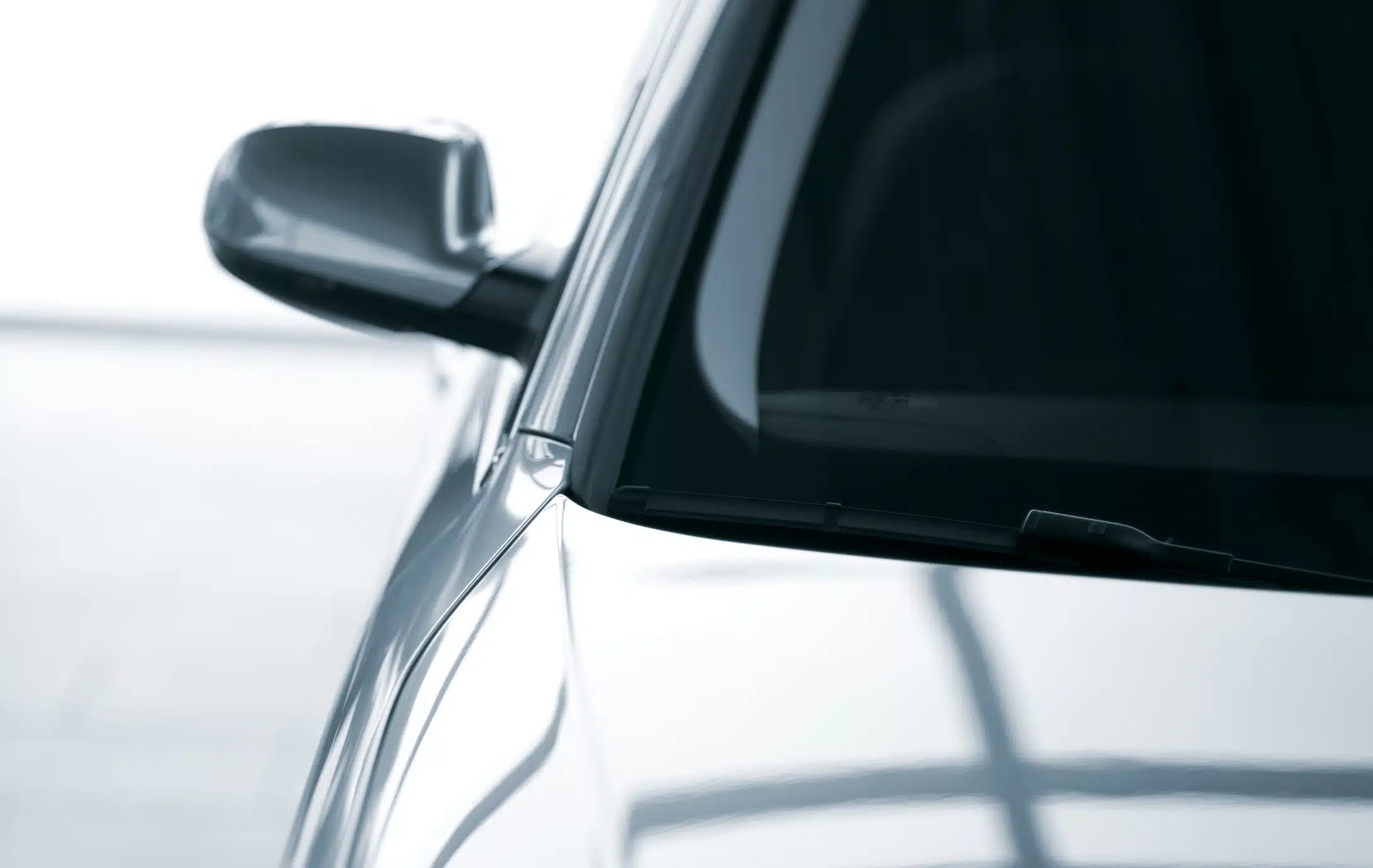
You probably don’t spare much thought for your windscreen day to day, but did you know that the glass at the front of your car plays an important role in maintaining the vehicle’s strength and structural integrity?
Plenty of motorists would be forgiven for assuming that a windscreen is purely there to let us see where we’re going out on the road. But there’s a lot more going on than just visibility – which is part of the reason why regular windscreen maintenance is so vital.
So, how exactly do windscreens help to maintain a car’s rigidity? And what are they made from?
In this guide, we’re taking an in-depth look at the various types of car windscreens, including the glass they’re typically made from.
What type of glass are car windscreens made from?
Almost all modern cars use laminated glass for windscreens as standard. It’s considered the safest type of glass for vehicular use, with thicker variations used on everything from trains to aircraft.
So, what is laminated glass?
Laminated glass is a type of glass that features two or more layers bonded together by a type of transparent, flexible plastic known as polyvinyl butyral (PVB). The PVB is sandwiched between sheets of glass before heat and pressure are applied, fusing all layers together to form a super-strong, multi-layer composite that acts as a single unit.
Most car windscreens feature just two layers of glass and one layer of PVB, creating a strong screen that’s around 6.5mm thick. By contrast, aircraft windscreens are made from multiple laminated layers and are engineered to withstand extreme pressure and impact conditions.

What are the benefits of laminated glass windscreens?
Aside from being super strong and durable, laminated glass offers a range of additional benefits when used for vehicle windscreens, including…
- Minimal risk of shattering: Despite what you may have seen in the movies, windscreens rarely shatter. That’s because the PVB layer holds the glass in place even when it’s cracked or damaged. This is not only ideal for preventing full windscreens breakages in the event of a sudden impact but also for reducing the risk of further injury in the event of an accident.
- Structural vehicle strength: Car makers mount laminated glass windscreens in such a way that they help to maintain a vehicle’s rigidity. The windscreen contributes to overall vehicle rigidity and supports the roof structure, but the main load is carried by the vehicle’s frame.
- Driver and passenger safety: Since laminated glass windscreens are super strong, shatter-resistant, and mounted in such a way as to assist with vehicle strength, they directly help to maintain driver and front passenger safety. For instance, in an accident, passengers are unlikely to be thrown forward through the car windscreen if a laminated glass screen is in place.
- Repairable: The reason you can easily fix most chips and small cracks on your windscreen is that it’s made from laminated glass. The repair resin fills the damaged area in the glass layers, improving clarity and restoring some structural strength.

Are all car windows made from laminated glass?
Generally, just the windscreen is made from laminated glass since this is most prone to impacts and is also required to be super tough to maintain driver and passenger safety. The rest of the windows, including those on the doors and rear panels, are constructed from tempered glass.
Tempered glass is highly impact-resistant but shatters into small, blunt fragments, whereas laminated glass remains intact when damaged. It’s heated and cooled rapidly to make it more durable, and when it shatters, it breaks into pebble-like pieces rather than sharp shards, protecting passengers from cuts and abrasions.
One of the main downsides to tempered glass as opposed to laminated glass is that it isn’t repairable, so a replacement will be needed in case of any chips, cracks, or breakages.
Maintaining windscreen glass: Practical tips for maximum safety
The laminated glass used for your car windscreen may be super tough, but regular maintenance and checks are needed to keep it in the best possible condition and uphold maximum levels of safety.
Here are our essential tips for maintaining peak windscreen safety and visibility, along with a few helpful resources that could come in useful:
- Spotted a small chip or crack on your windscreen? Have it repaired before it can get any worse. Although laminated windscreens aren’t likely to shatter, their strength can become compromised by defects and imperfections.
- On an added note, you could fail your MOT for having any untreated cracks or chips on your windscreen, particularly if they’re in the driver’s eye line. So, it pays to get them fixed to save yourself a lot of hassle.
- Are you covered for windscreen damage as part of your car insurance policy? It’s a thorny issue and one worth considering if you spot any chips or cracks. We explore this topic in our expert guide to windscreen damage and insurance claims.
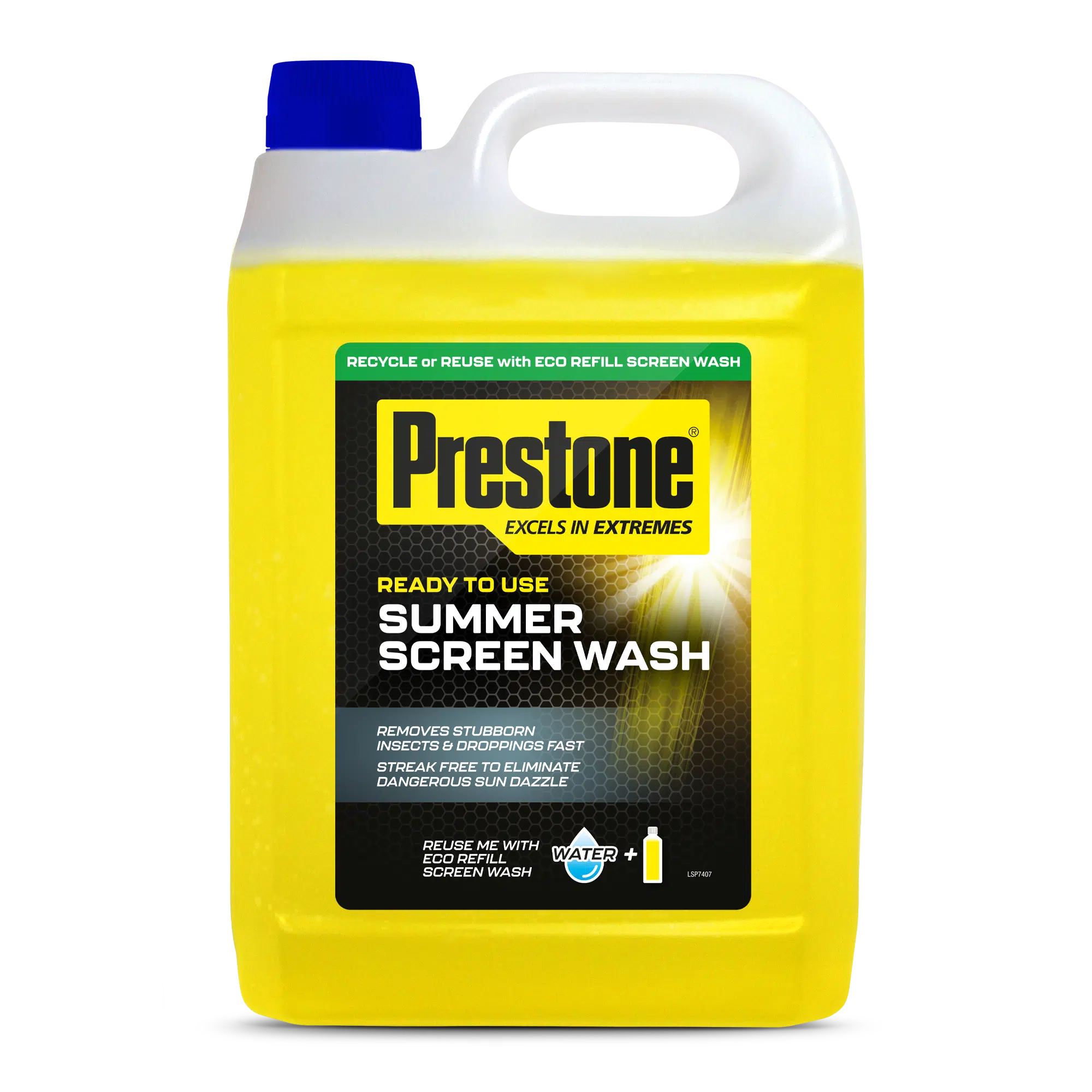
- Keep your car topped up with high-quality premium screen wash so that you can quickly remove dirt and grime that causes visibility problems. Remember, too, that you can receive a fine and fail your MOT by not having screen wash in your car, so make sure that the reservoir always has plenty in.
For more windscreen-related guides and content, visit the full Prestone blog. If you’d like to learn more about our premium screen wash and other maintenance fluids, browse and buy the Prestone product range here.