When setting off for any journey in your car, there are certain checks that you should be making before you set off in order to ensure that you will arrive safely. Some of these checks are obvious, such as your tyres being in good condition or that all your lights are working properly, but would you have considered checking your screen wash level before a journey?
In this blog, we’ll explore the importance of screen wash, what it does, the dangers that can occur if you’re lacking it and what the law says about your level of screen wash.
Is screen wash a legal requirement?
The job of screen wash is to remove dirt and debris from the windscreen so that the driver can see clearly out of the window.
There is no specific legal requirement to have screen wash in your reservoir, but your windscreen washers must function properly and allow you to maintain a clear view of the road.
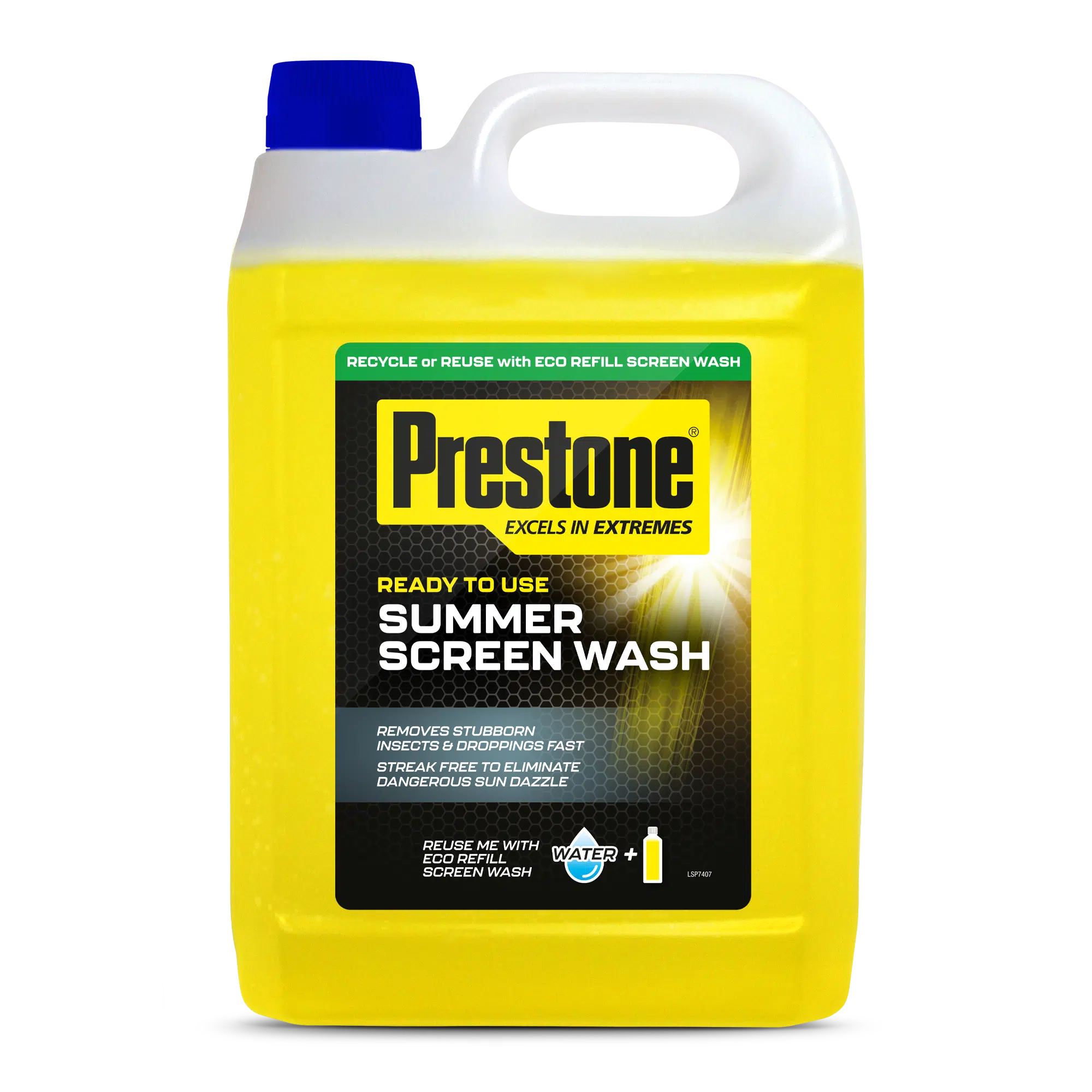
You can fill your reservoir with just water, but it will not be as effective as using properly formulated screen wash, such as Prestone’s range, which will not only clean effectively but also prevent freezing during the colder months.
It’s always worth having a spare bottle on hand, or at the very least some tablets that can be mixed with water.

What’s the penalty for no screen wash in your car?
If you are caught driving without any screen wash, the police could deem you to be driving carelessly.
Careless driving can result in a fixed penalty (typically £100 and 3 points), but more serious cases may lead to higher fines and additional penalties if dealt with in court.
Dangers of a dirty windscreen
Clear visibility of the road is of paramount importance when driving at any speed, but especially so at high speeds when every second counts. A high-quality screen wash contributes to the maintenance of a clean windscreen to avoid potential dangers.
The dangers of a dirty windscreen are all linked to the quality of the visibility, whether that be through the reduction of dirt and grime, creating less glare from bright lights and reducing the ability for water to condense on the windscreen.
A dirty windscreen will significantly reduce visibility and increase driving risk, so it’s important to keep it clean.
How often should I check my screen wash levels?
To make sure that you’re not left high and dry when you need it the most, you must check your screen wash levels regularly.
At Prestone, we’d recommend checking your screen wash levels once every two weeks, or every week during the winter due to a higher chance of frozen windscreens.
It’s also important to notice if your screen wash levels have dropped. Common signs are low-pressure sprays or no liquid coming out at all. If you’re using a lot of screen wash, this is nothing to worry about, but if you notice the levels dropping with no obvious cause, you may have a leak somewhere.

To combat frozen a windscreen, you should be using a specially designed winter screen wash like Prestone Eco Refill Winter Screen Wash, which will cut through winter grime as well as prevent freezing up to -10°C.
During the summer, you can use Eco Refill Summer Screen Wash, which will be more effective at removing the dirt, grime and bugs that build up over the summer months.
All-purpose screen washes are available, but we’d recommend specialised screen washes for different scenarios to ensure maximum performance.
How to top up screen wash

If you notice that your screen wash level is getting low, topping up is a really simple process.
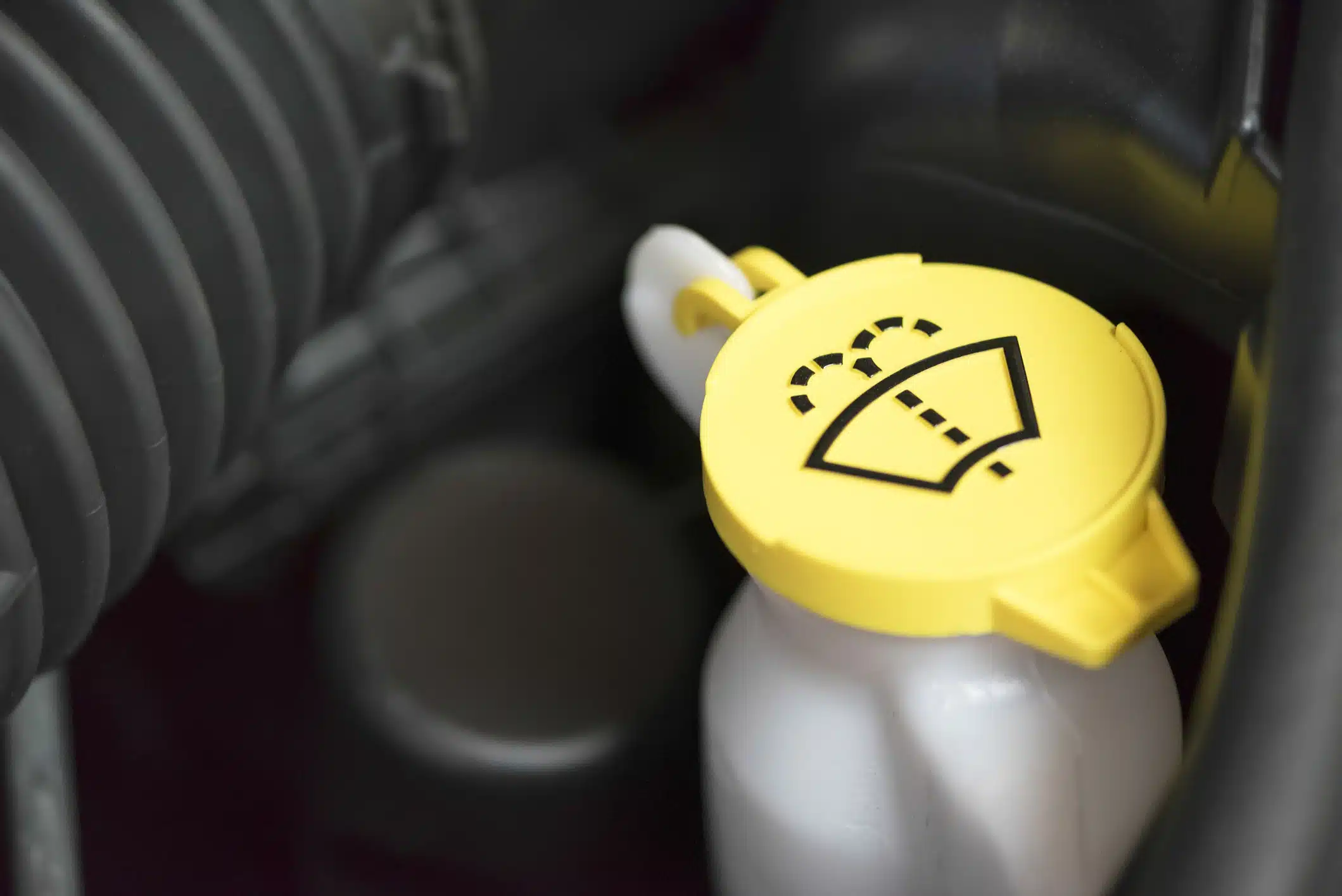
- Identify the screen wash reservoir; it’s usually under the bonnet, but the location varies depending on the model.
- Unclip the lid and begin pouring your pre-mixed screen wash solution.
- Fill the reservoir up to the fill line.
- Reattach the lid and test the spray.
So, you should now understand the importance of always having screen wash in your car! A clean windscreen is a legal requirement, helped massively by a full screen wash reservoir. Take a look at our high quality range of screen washes available to buy today.